
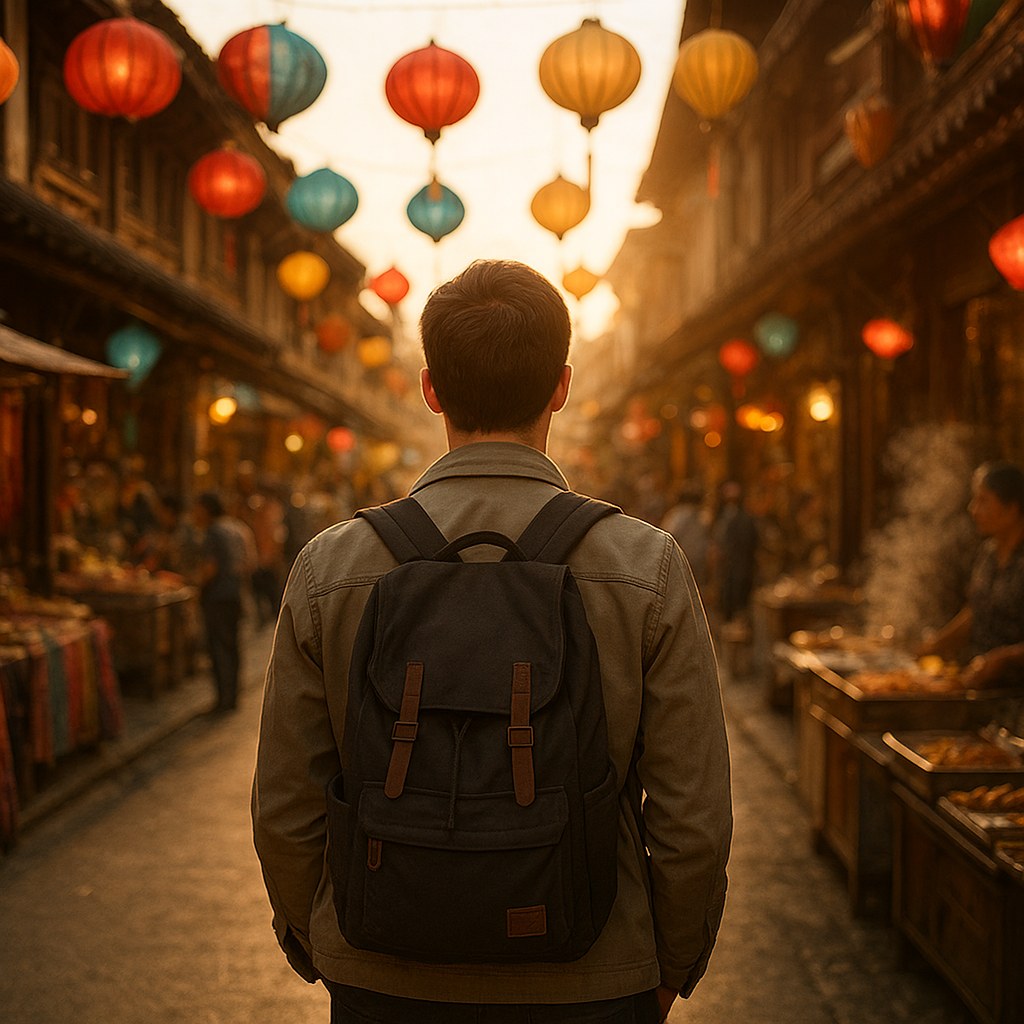
Stepping off a plane into a city where you don’t speak the language, don’t recognize the street signs, and can’t read the menu is disorienting — and it’s one of the most powerful catalysts for personal transformation available to us. Cultural immersion, the deliberate practice of living within and engaging with a culture different from your own, does far more than broaden your travel resume. It fundamentally reshapes how you see yourself, how you relate to others, and how you understand your place in the world.
In an increasingly interconnected yet paradoxically divided world, the ability to move across cultural boundaries with curiosity and humility has become one of the most valuable human skills. Whether through study abroad programs, extended travel, living in a multicultural neighborhood, or deeply engaging with communities different from your own, cultural immersion offers benefits that extend far beyond what any classroom or textbook can provide.
This article explores the science and lived experience behind cultural immersion — how it rewires your thinking, strengthens your identity, and accelerates personal growth in ways that last a lifetime.
What Is Cultural Immersion?
Cultural immersion goes well beyond tourism. While a tourist observes a culture from the outside — visiting landmarks, taking photos, staying in familiar accommodations — someone practicing cultural immersion actively participates in the daily life, customs, and social rhythms of a different community.
At its core, cultural immersion means placing yourself in an environment where your own cultural assumptions are no longer the default. It might involve learning to cook traditional dishes with a host family in Oaxaca, navigating public transportation in Tokyo using only Japanese, attending a religious ceremony in Bali, or simply spending months living in a neighborhood where your native language is rarely heard.
The key distinction is depth of engagement. Research published in the Journal of Personality and Social Psychology has shown that the depth of cross-cultural experience — not just the length — is what drives meaningful psychological change. A weekend trip to Cancún’s hotel zone offers relaxation, but it won’t challenge your worldview the way shopping at a local market, negotiating prices in Spanish, and sharing meals with residents will.
The Psychology Behind Cultural Immersion and Personal Growth
The transformative power of cultural immersion isn’t just anecdotal. A growing body of psychological research confirms that sustained engagement with unfamiliar cultures produces measurable changes in cognition, emotional intelligence, and identity formation.
Cognitive Flexibility and Creative Thinking
One of the most well-documented effects of cultural immersion is its impact on cognitive flexibility — the brain’s ability to switch between different concepts, adapt to new rules, and consider multiple perspectives simultaneously. A landmark study by William Maddux and Adam Galinsky, published in the Journal of Personality and Social Psychology in 2009, found that individuals who had lived abroad demonstrated significantly higher levels of creativity and problem-solving ability than those who had only traveled briefly or never left their home country.
The mechanism is straightforward: when you’re immersed in a culture that organizes daily life differently — different meal times, different communication styles, different concepts of personal space and time — your brain is forced to build new neural pathways. You can’t rely on autopilot. Every interaction becomes an exercise in adaptation, and over time, this builds a more agile, creative mind.
Emotional Resilience and Stress Tolerance
Cultural immersion is uncomfortable. You will miscommunicate. You will feel embarrassed. You will long for the familiar. And that discomfort is precisely where the growth happens.
Psychologists refer to this as “stress inoculation” — the process by which manageable doses of stress build long-term resilience. When you successfully navigate the challenges of living in an unfamiliar cultural context, you develop a deep, earned confidence that extends far beyond the specific situation. A 2018 study in the International Journal of Intercultural Relations found that participants in cultural immersion programs reported significant increases in self-efficacy, emotional regulation, and tolerance for ambiguity — all critical components of psychological resilience.
Empathy and Perspective-Taking
Perhaps the most profound gift of cultural immersion is the development of genuine empathy — not the abstract kind where you intellectually understand that other people have different experiences, but the visceral, embodied understanding that comes from having lived those differences yourself.
When you’ve been the person who can’t express a basic need in the local language, you understand the immigrant experience in a way no documentary can teach. When you’ve been the only person in the room who doesn’t understand the joke, you develop a sensitivity to exclusion that changes how you behave in groups. Research from the University of Michigan found that individuals with extensive cross-cultural experience scored significantly higher on measures of empathic concern and perspective-taking than those without such experience.
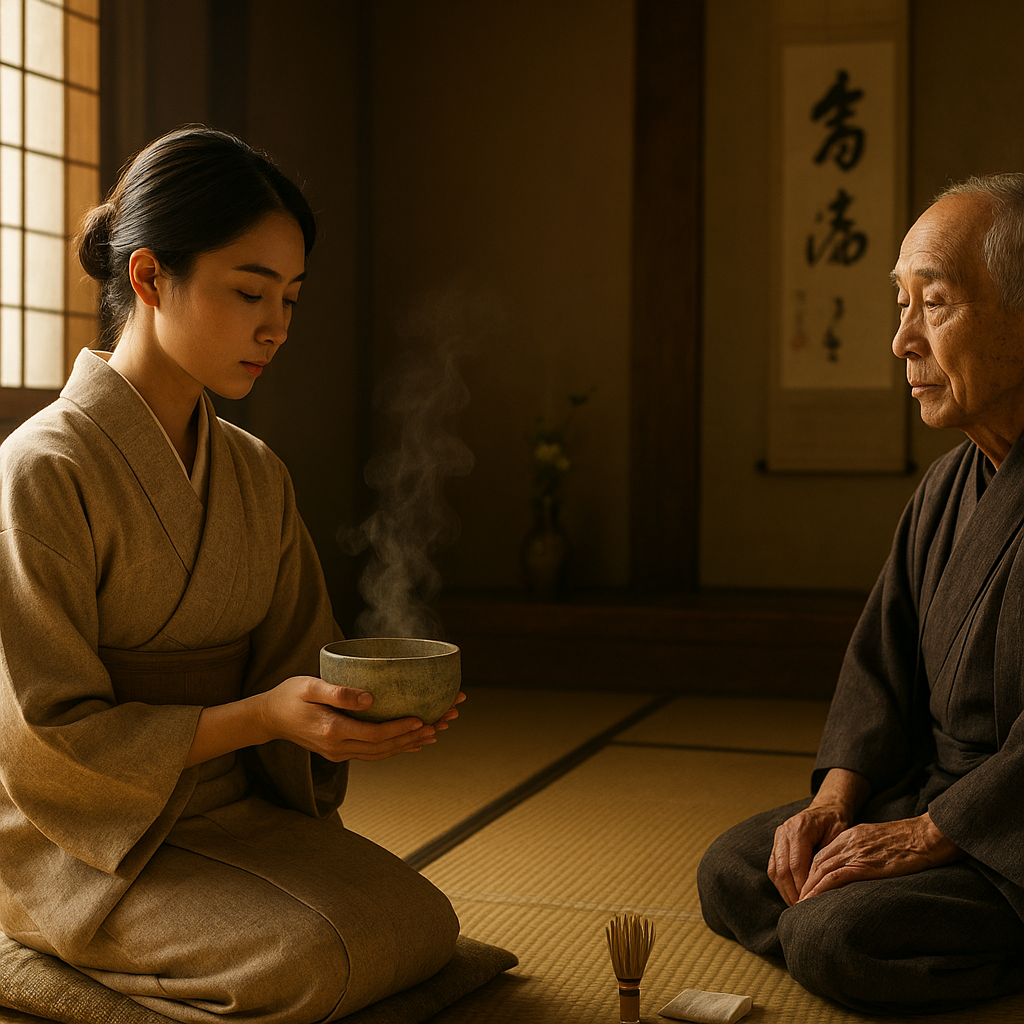
How Cultural Immersion Transforms Identity
The relationship between cultural immersion and identity is one of the most fascinating areas of cross-cultural psychology. Many people assume that immersing yourself in another culture means losing touch with your own. The reality is far more nuanced — and far more interesting.
The Identity Disruption Phase
When you first enter a deeply different cultural environment, many of the markers that define your identity — your language, your social roles, your cultural reference points, even your sense of humor — may not function the way they do at home. This can trigger what researchers call “identity disruption,” a period of disorientation where your sense of self feels destabilized.
This phase is often uncomfortable, but it’s also incredibly fertile ground for growth. When the external props of identity are stripped away, you’re forced to confront fundamental questions: Who am I when nobody here knows who I was? What values do I actually hold versus those I simply absorbed from my environment? What parts of my personality are truly mine, and what parts are cultural programming?
Integration and the Emergence of a Broader Self
After the initial disruption, something remarkable typically occurs. Rather than losing your original identity, you begin to integrate new cultural perspectives, values, and practices into a broader, more complex sense of self. Psychologists call this “cultural identity integration,” and it’s associated with higher levels of psychological well-being, creativity, and social adaptability.
A 2013 study by Carmit Tadmor and colleagues, published in Organizational Behavior and Human Decision Processes, found that individuals who successfully integrated multiple cultural identities — rather than compartmentalizing them or rejecting one in favor of the other — showed enhanced creative thinking and were more effective at solving complex, ambiguous problems.
In practical terms, this might look like a person who grew up in a culture that prizes individualism learning to appreciate the deep value of communal decision-making — not abandoning their belief in personal autonomy, but holding both values simultaneously and drawing on each as the situation demands.
Key Benefits of Cultural Immersion for Personal Growth
The research is clear, but what does cultural immersion actually look like in practice? Here are the most significant, well-documented benefits that people consistently report from deep cross-cultural experiences.
1. Enhanced Self-Awareness
Nothing reveals your own cultural conditioning quite like encountering a culture that operates on entirely different assumptions. When you see that your way of doing things — how you greet people, how you express disagreement, how you think about time — is just one of many valid approaches, you begin to see yourself more clearly. You start to distinguish between your genuine personal values and the values you absorbed uncritically from your environment.
2. Improved Communication Skills
Cultural immersion forces you to become a better communicator. When you can’t rely on shared cultural shorthand, you learn to listen more carefully, ask better questions, read nonverbal cues more accurately, and express yourself with greater precision and patience. These skills transfer directly to every other area of life, from personal relationships to professional collaboration.
3. Greater Adaptability and Comfort with Uncertainty
A study by the Institute for the International Education of Students (IES Abroad) surveyed over 3,400 study abroad alumni and found that 96% reported increased self-confidence, 97% said the experience enhanced their maturity, and 95% reported a lasting impact on their worldview. These numbers reflect a fundamental shift in how people relate to uncertainty — from avoiding it to navigating it with confidence.
4. Expanded Worldview and Reduced Ethnocentrism
Ethnocentrism — the tendency to view your own culture as the standard by which all others should be judged — is a natural human bias. Cultural immersion is one of the most effective tools for reducing it. When you’ve lived within a different cultural framework and seen it produce beauty, meaning, and functional communities, it becomes impossible to maintain the illusion that your way is the only right way.
5. Deeper and More Authentic Relationships
People who have experienced cultural immersion often report that it changed how they form relationships. Having experienced vulnerability in an unfamiliar context, they tend to be more open, more curious about others, and less quick to judge. They develop the ability to connect with people across differences that might otherwise feel insurmountable.
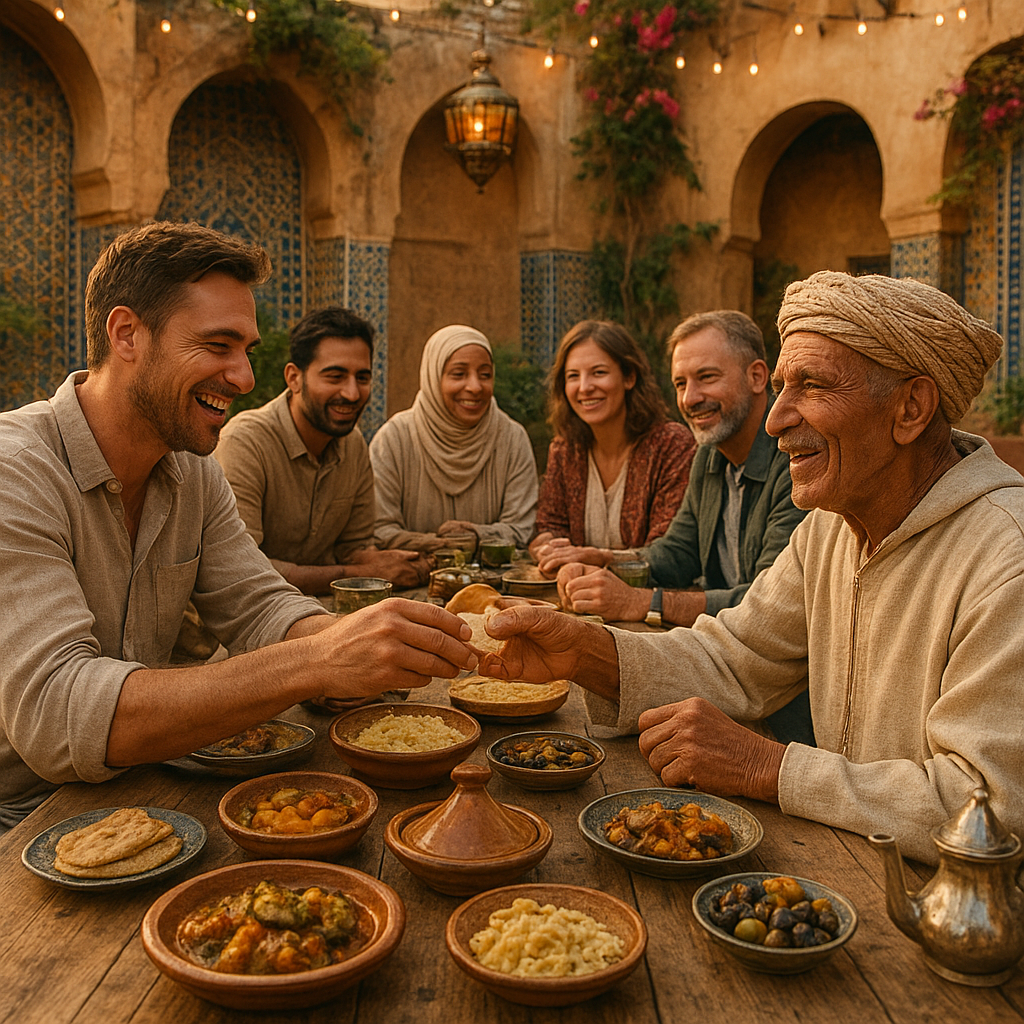
Practical Ways to Pursue Cultural Immersion
You don’t need a year-long sabbatical or an expensive study abroad program to experience the benefits of cultural immersion. While extended stays in foreign countries offer the deepest transformation, meaningful immersion is possible at many levels.
- Study or work abroad. Programs that place you in a host family or local community rather than an expat bubble provide the richest immersion experiences. Look for programs that require language use and community engagement.
- Learn a language through immersion. Language and culture are inseparable. Apps and classes are useful starting points, but real fluency — both linguistic and cultural — develops through conversation with native speakers in everyday contexts.
- Engage with immigrant communities in your own city. Cultural immersion doesn’t require a passport. Seek out cultural festivals, community centers, places of worship, and restaurants in neighborhoods where cultures different from your own are thriving. Approach with genuine curiosity and respect.
- Travel slowly and deliberately. If you do travel internationally, resist the urge to cram as many sights as possible into your itinerary. Stay in one place long enough to develop routines, form relationships, and experience the rhythms of daily life.
- Practice cultural humility. Approach every cross-cultural interaction with the assumption that you have something to learn. Ask questions, listen more than you speak, and be willing to be wrong about your assumptions.
- Engage with culture through its art forms. Literature, film, music, and cuisine are powerful windows into a culture’s values, history, and emotional landscape. Engaging deeply with these forms — not just consuming them superficially but learning about their context and significance — can be a meaningful form of immersion.
Common Challenges and How to Navigate Them
Cultural immersion is rewarding, but it’s not always easy. Understanding the common challenges can help you navigate them more effectively.
Culture Shock
Culture shock is a well-documented psychological response to immersion in an unfamiliar culture. It typically follows a predictable pattern: initial excitement (the “honeymoon phase”), followed by frustration and disorientation, then gradual adjustment, and finally adaptation. Knowing that the difficult middle phase is normal — and temporary — can help you push through it rather than retreating to familiar comfort zones.
Reverse Culture Shock
Many people are surprised to find that returning home after deep cultural immersion can be just as disorienting as the original experience. You’ve changed, but your home culture hasn’t. Friends and family may not understand your new perspectives. This “re-entry shock” is a normal part of the process and often signals the depth of the transformation you’ve undergone.
The Temptation of the Expat Bubble
When immersion gets hard — and it will — the temptation to retreat into a community of fellow foreigners is strong. While having a support network is healthy and important, spending all your time with people who share your native culture significantly limits the growth potential of the experience. Push yourself to stay engaged with the local community even when it’s uncomfortable.
Cultural Immersion as a Lifelong Practice
The most transformative approach to cultural immersion is to view it not as a one-time experience but as an ongoing orientation toward the world — a commitment to remaining curious, humble, and open to ways of being that differ from your own.
This doesn’t mean you need to spend your life traveling. It means cultivating the mindset that cultural immersion develops: the willingness to sit with discomfort, the humility to acknowledge that your perspective is partial, and the genuine curiosity to keep learning from people whose experiences differ from yours.
In a world that often feels increasingly polarized, the skills that cultural immersion builds — empathy, cognitive flexibility, comfort with ambiguity, the ability to hold multiple perspectives simultaneously — are more than personal assets. They’re essential capacities for building bridges across the divides that separate us.
Conclusion
Cultural immersion is one of the most powerful tools available for personal growth and identity transformation. It challenges your assumptions, builds cognitive and emotional capacities that serve you for a lifetime, and fundamentally reshapes how you understand yourself and your place in the world.
The research is compelling: people who engage deeply with cultures different from their own demonstrate greater creativity, resilience, empathy, and self-awareness. They develop more complex, integrated identities and a broader, more nuanced understanding of what it means to be human.
Whether you’re considering a study abroad program, planning an extended stay in another country, or simply seeking ways to engage more deeply with the cultural diversity in your own community, the path of cultural immersion offers rewards that far outweigh its challenges. The discomfort is real, but so is the transformation. And in the end, the person you become through the process — more open, more resilient, more deeply connected to the full spectrum of human experience — is someone worth becoming.